
At a chemical or petrochemical site, the first response to a need for cooling or heating is often resignation. Too many regulatory constraints, too many risks, too much complexity. Yet, an ATEX-classified area does not condemn its operators to working in extreme thermal conditions. It simply requires choosing certified equipment, integrated into a comprehensive compliance approach, and used by trained teams. ClimnTech built precisely this response, with the support of his partner CentrExpert.
ATEX zone, a regulatory requirement that does not exclude comfort
What defines an ATEX zone on a chemical or petrochemical site
An ATEX (ATmosphères EXplosives) zone designates an area where the concentration of combustible gases, vapours or dust creates a risk of explosion. In chemical and petrochemical sites, this zoning is based on European Directive 2014/34/EU for equipment, and on Directive 1999/92/CE for the protection of workers.
Zones 0, 1 and 2 concern flammable gases and vapours. For their part, zones 20, 21 and 22 concern combustible dusts. All equipment present in these zones (including an air conditioning system) must be certified to operate there without becoming a source of ignition itself. For a detailed explanation of this zoning, the dedicated page of ClimnTech remains the reference resource.
Why temperature becomes a security issue, not just a comfort issue
In a highly regulated environment, every action of operators counts. Indeed, heat directly degrades their ability to execute it correctly. As soon as 29 °C, performance drops by about 18 % and errors increase by 40 . % A difference that takes on a whole new dimension when these errors occur near sensitive petrochemical chemicals or processes. The thermal comfort It then ceases to be a subject of well-being to become a factor of operational security in its own right.
Cooling and heating an ATEX site without compromising safety
A certified technology designed for explosive atmospheres
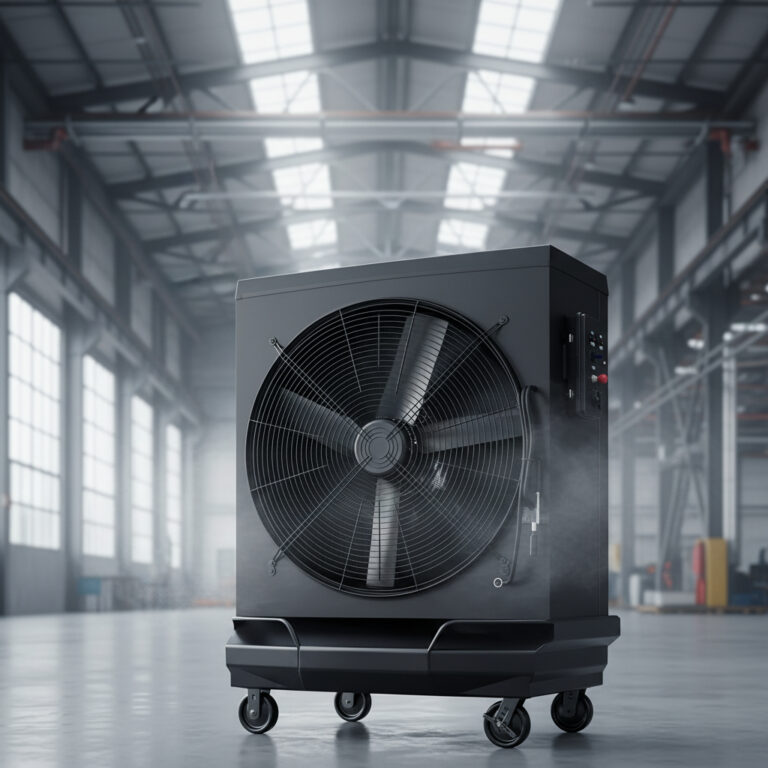
ClimnTech’s adiabatic coolers are Zone 1 and Zone 2 certified (marking II 2G IIB T4 Gb). This compliance allows them to be deployed directly in hazardous environments without compromising regulatory requirements. Their very principle benefits safety. By slightly humidifying the air, they reduce the static electricity. A risk factor identified in explosive atmospheres. This is a characteristic that traditional, dryer air conditioning cannot claim to have.
A measurable benefit on operators' vigilance
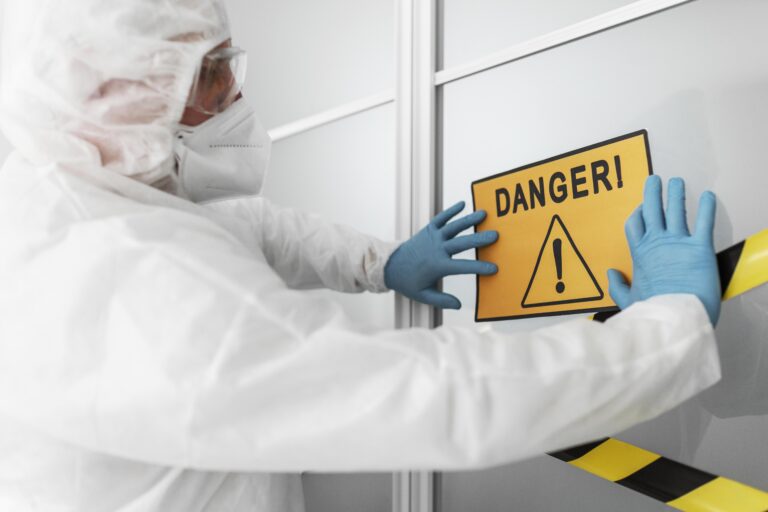
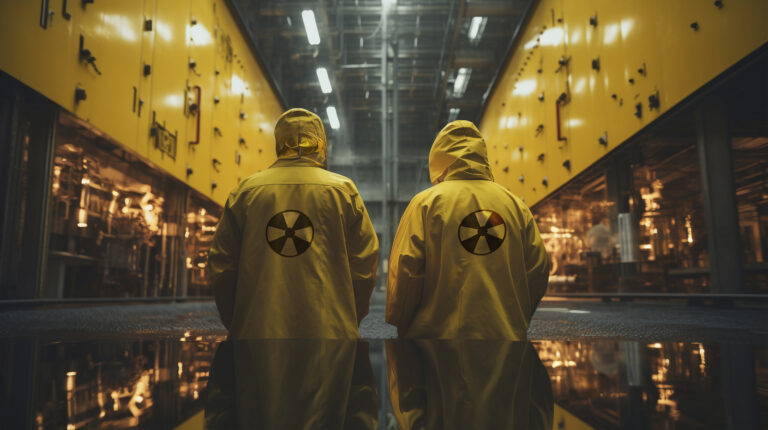
In a workplace where personal protective equipment is already mandatory (full suits, masks, reinforced gloves), a difference of 7 to 12 °C achieved through adiabatic cooling changes the situation on a workday. Fewer thermal fatigue means better vigilance in operations where attention can never truly falter.
Your chemical or petrochemical site must reconcile thermal comfort and strict zoning? Let's talk about it with an expert from ClimnTech.
One climate control system is not enough: the overall compliance of the site
When new equipment itself has to be made ATEX compliant
Installing a cooling or heating system on a classified site is not limited to choosing a certified device from a catalog. Each site has its own zoning, its own sources of risk, and sometimes existing equipment (handling carts, generators, compressors) that also require compliance before or during the project.
CentrExpert, ClimnTech’s partner for custom transformation and ATEX compliance
That’s where it comes in CentrExpert. Accredited specialist since 2011 Transformation of industrial equipment for ATEX zones, Whether it is converting standard equipment or designing a new one customized ATEX solution for a specific need. This partnership allows ClimnTech to offer a coherent response across the entire site, rather than a climate solution isolated from the rest of the industrial zoning.
Training, the link that sustainably ensures thermal comfort
What ClimnTech ATEX training covers
Equipment that is certified but is used poorly or not maintained properly loses some of its safety guarantees. ATEX training courses The proposals from ClimnTech are aimed at the teams that operate and maintain these installations. Our clear objective: that compliance remains effective on a day-to-day basis, not just at the time of installation.
A combination of equipment and expertise, not just a product
It is this combination that distinguishes a genuine security approach from a simple sale of equipment: a certified system, a site that is made compliant as a whole thanks to a partner like CentrExpert, and teams trained to take advantage of it without taking any risks.
Do you want to train your teams in the operation of weather stations in ATEX zones? Contact ClimnTech to build a program adapted to your site.
Thermal comfort in the ATEX zone is therefore neither a luxury nor a regulatory utopia. It is a project that is built on three levels (certified equipment, site compliance, and the competence of the teams), and that, when properly implemented, improves both safety and the working conditions of the most exposed operators.
Frequently Asked Questions
Can an air conditioning system really be installed in an ATEX zone?
Yes, provided that certified equipment is used for the relevant area, in accordance with Directive 2014/34/EU. The ClimnTech Zone 1 and Zone 2 certified coolers meet this requirement.
Why use CentrExpert in addition to a climate solution?
Because an ATEX site often involves other equipment that needs to be brought into compliance. CentrExpert transforms and certifies existing machines or designs customized solutions, ensuring consistency of compliance throughout the entire site.
Is training mandatory for operating equipment in an ATEX zone?
It is not systematically imposed by the device, but it remains strongly recommended to ensure that the initial compliance of the installation remains intact over time. This is particularly important during maintenance operations.
Does adiabatic cooling present a specific risk in the ATEX zone?
No, it’s actually the opposite. By slightly humidifying the air, it reduces the accumulation of static electricity, a risk factor recognized in explosive atmospheres.

 French
  English