
Heat in the workplace is no longer just about discomfort. As of July 1, 2025, a decree will require employers to implement active preventive measures from the very first episodes of intense heat. Lack of knowledge of the text, inaction, or unsuitable solutions: the risks are real, both human and legal. Here's what the regulations impose. But also, how to respond effectively, even in the most restrictive environments.
What the law says starting July 2025
Decree No. 2025-482 of May 27, 2025, concerning the protection of workers against heat-related risks, introduces a precise regulatory framework applicable to all companies. It structures the employer's obligations around a four-level meteorological watch system defined by Météo-France:
Green vigilance Seasonal watch, no specific obligation triggered.
Yellow watch Intense heatwave for 1 to 2 days. The employer must implement their prevention measures.
Orange alert : prolonged heatwave period, with health risks for the entire exposed population. In the construction sector, this threshold also entitles workers to compensation for work stoppages.
Red alert Extreme heatwave with a high health impact. The level of demand is at its maximum.
As soon as a yellow alert is issued (even for a simple two-day «heat spike»), the employer enters a regime of active obligations. They can no longer be content with just opening windows.
The employer's concrete obligations
The decree explicitly lists the measures that the employer must implement during a period of intense heat. These obligations cover several areas.
Workspace and workplace layout
Modification of the layout to reduce thermal exposure, installation of solar protection on exposed surfaces.
The organization of work
Adapting schedules, introducing breaks, rotating operators on the most exposed positions.
Technical means of refreshment
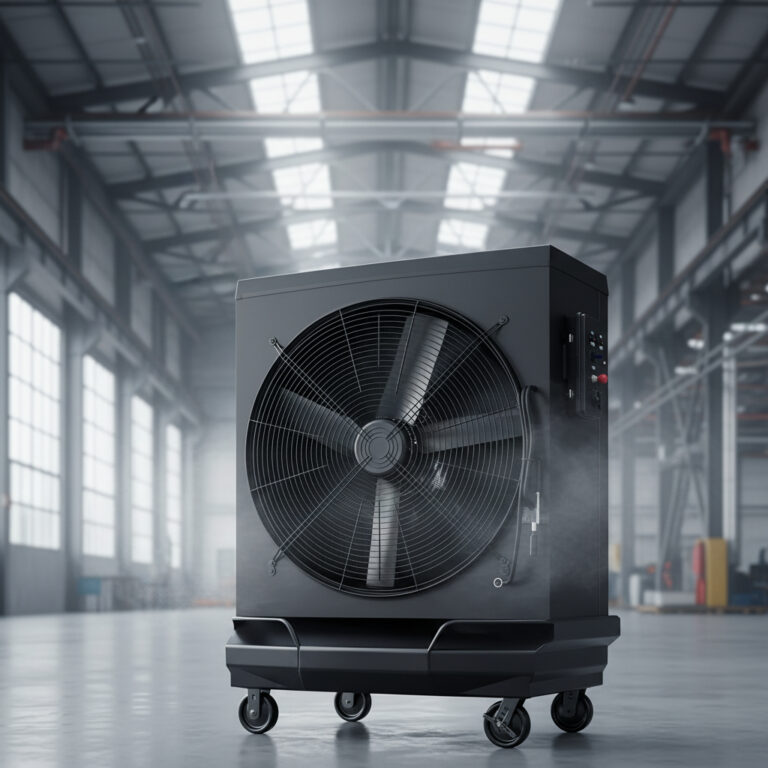
The text explicitly mentions fans and misters as expected equipment. A mobile adiabatic cooler (link to article no. 3) constitutes precisely the most successful technical response to this obligation.
Access to fresh drinking water
The employer must ensure a sufficient quantity of fresh water is available near workstations, with a means of keeping it cool. In the absence of running water, the legal minimum is 3 liters per day per worker.
Not to mention personal protective equipment suitable for high temperatures.
Team training and information
Employees must know what to do in case of extreme heat and how to correctly use thermal PPE.
Finally, and this is an often-overlooked point, the decree requires the integration of heatwave risk into the Integrated Risk Assessment Document (DUERP). Failure to update this document constitutes a documented breach, which can engage the employer's liability in case of an accident.
The most exposed sectors
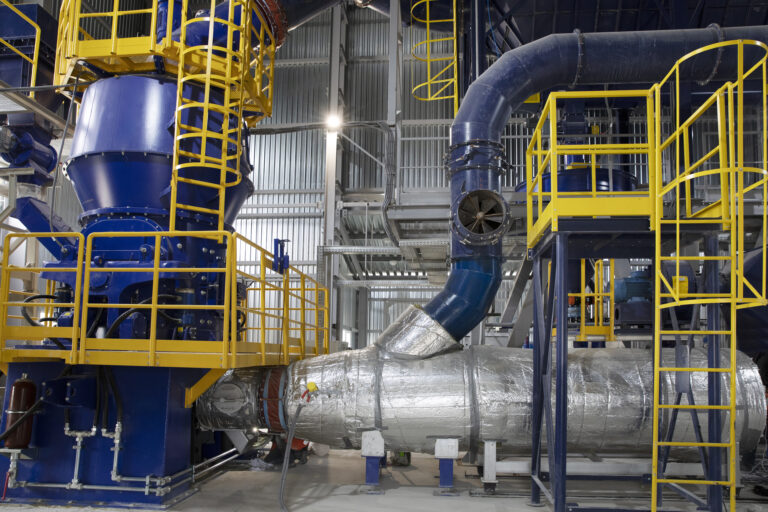
Not all sectors are equally affected by heat. Environments that combine external heat and internal thermal production concentrate the greatest risks: metallurgical production workshops, foundries, industrial bakeries, logistics warehouses with metal roofs, printing houses, laundries, and poorly ventilated call centers.
Outdoor workers (construction, agriculture, forestry) also benefit from specific reinforced provisions in the decree.
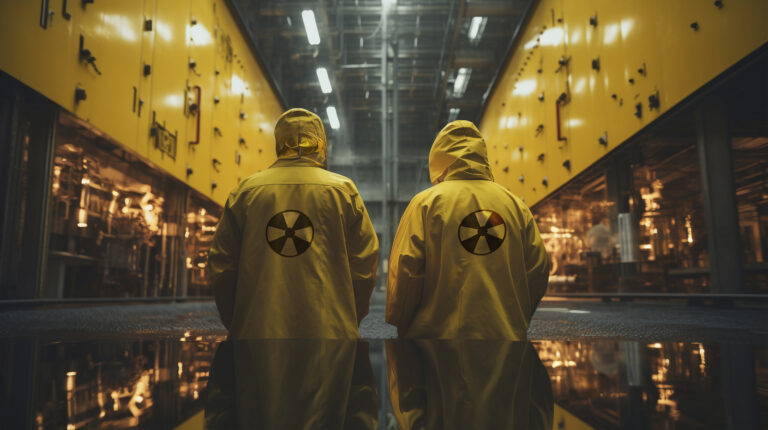
A particularly complex case deserves attention: ATEX (Explosive Atmospheres) classified environments. In these zones, excessive heat combined with the wearing of restrictive anti-static PPE significantly aggravates the physiological risk for operators. However, the majority of cooling solutions available on the market (standard industrial fans, conventional mobile air conditioners) are not certified for use in explosive zones. Their deployment in these spaces is even prohibited and dangerous.
Does your company need to comply with heat regulations before summer? Request a personalized study from the ClimnTech team
Here's why adiabatic coolers directly address legal obligations: * **Energy Efficiency Regulations:** Many legal obligations revolve around energy efficiency standards for buildings and equipment. Adiabatic coolers consume significantly less energy than traditional direct expansion (DX) air conditioning systems because they primarily use water evaporation for cooling, which requires much less electricity than compressors. This direct energy saving helps meet these regulations. * **Refrigerant Phase-Outs:** Environmental regulations, such as the Kigali Amendment to the Montreal Protocol, mandate the phasing out of refrigerants with high Global Warming Potential (GWP). DX systems often use such refrigerants. Adiabatic coolers, by contrast, typically do not use refrigerants, thereby eliminating the risk of non-compliance with these phase-out mandates. * **Emissions Reduction Targets:** Governments and international bodies are setting targets to reduce greenhouse gas emissions. The lower energy consumption of adiabatic coolers translates directly into reduced indirect CO2 emissions associated with electricity generation. This helps building owners and operators meet their emissions reduction obligations. * **Water Use Regulations:** While adiabatic coolers use water, their water consumption is often optimized and can be managed to comply with local water use restrictions. Compared to the electricity consumption and associated emissions of DX systems, the water usage is a manageable trade-off for many compliance objectives. * **Indoor Air Quality Standards:** Adiabatic cooling systems can contribute to better indoor air quality by introducing fresh, humidified air, which can be beneficial in meeting certain ventilation and air quality standards, especially when compared to recirculated air from DX systems that might not have adequate fresh air intake. * **Sustainable Building Certifications:** Compliance with legal obligations is often interwoven with achieving certifications for green or sustainable buildings (e.g., LEED, BREEAM). Adiabatic coolers contribute positively to the performance metrics required for these certifications, indirectly helping to fulfill legal requirements that encourage or mandate sustainable construction.
The decree explicitly cites «technical means» for heat reduction as an employer's obligation. The mobile adiabatic cooler ClimnTech respond point by point to this requirement.
- It lowers the temperature from 7°C to 12°C. at the targeted workstation, without work, without fixed installation, in a few minutes after connection. It therefore meets the obligation to implement technical means as soon as yellow alert is issued.
- He moves as needed Mounted on casters, ClimnTech units follow operators around the workshop, adapt to workstation reorganizations, and cover priority areas without logistical constraints.
- It uses up to 80 % less energy than conventional air conditioning. This is a decisive argument for companies looking to comply with the law without exploding their energy budget.
- It slightly humidifies the air, which reduces static electricity and improves respiratory comfort. In dusty environments or those with low humidity, this effect is a direct benefit to the health of the operators.
The specific response to ATEX zones
This is the most important differentiating point of The ClimnTech offer compared to the rest of the market.
In ATEX-classified areas (petrochemicals, pharmaceuticals, grain silos, surface treatment, flammable product storage), heat regulations apply with the same force as elsewhere. However, ordinary solutions are unusable.
ClimnTech adiabatic coolers are certified Zone 1 and Zone 2 (marking II 2G IIB T4 Gb), compliant with the strictest ATEX directives and IECEx international certification. To date, they represent one of the few certified cooling solutions for the most demanding explosive atmospheres.
Their natural principle even enhances safety: slight humidification of the air reduces static electricity. This is an explosion risk factor directly limited by the device's operation itself.
For an HSE manager in ATEX environments, this is the only solution that simultaneously satisfies the legal obligation of protection against heat and the specific safety requirements of explosive zones.
What to remember
Heat regulations at work are no longer a recommendation: as of July 1, 2025, they will be a documented and enforceable obligation. They are triggered by the first yellow weather alert and require the deployment of technical resources, an update to the DUERP (Single Document for Workplace Risk Assessment), and an adapted organization.
The ClimnTech mobile adiabatic cooler is the most direct technical solution to these requirements: efficient, quick to deploy, energy-saving, and compatible with the most demanding environments, including ATEX zones.
HSE Manager, Industrial Director, or Business Owner: Don't let summer outpace your compliance efforts. Contact ClimnTech for advice tailored to your site


 French
  English