
This thermodynamic principle governs natural evaporative cooling. Applied to agricultural buildings and equestrian sports facilities, it transforms the constraints of extreme temperatures into a temperate environment, ensuring animal physiology and well-being throughout the year.
The physical foundations of adiabatic transformation
In thermodynamics, a transformation is classified as adiabatic when it occurs without a net transfer of heat between the system under consideration and its external environment.
In the treatment of ambient air, adiabaticity takes the form of a direct exchange between two water states. When hot, dry air passes through a continuously humidified alveolate mattress, the liquid water evaporates spontaneously. To change phase and become gaseous, each water molecule draws thermal energy from the air in the form of latent heat.
A mechanical result
The dry temperature of the air decreases significantly, while its relative humidity increases in a controlled manner. The total energy of the air (its enthalpy) remains constant. Unlike the cold electro-mechanical units that consume a lot of electricity, the process does not release any heat into the immediate environment.
Energy sobriety
In other words, this energy-saving approach forms the foundation of the solutions proposed. adiabatic cooler,. Systems particularly adapted to open infrastructures where fresh air must be continuously renewed.
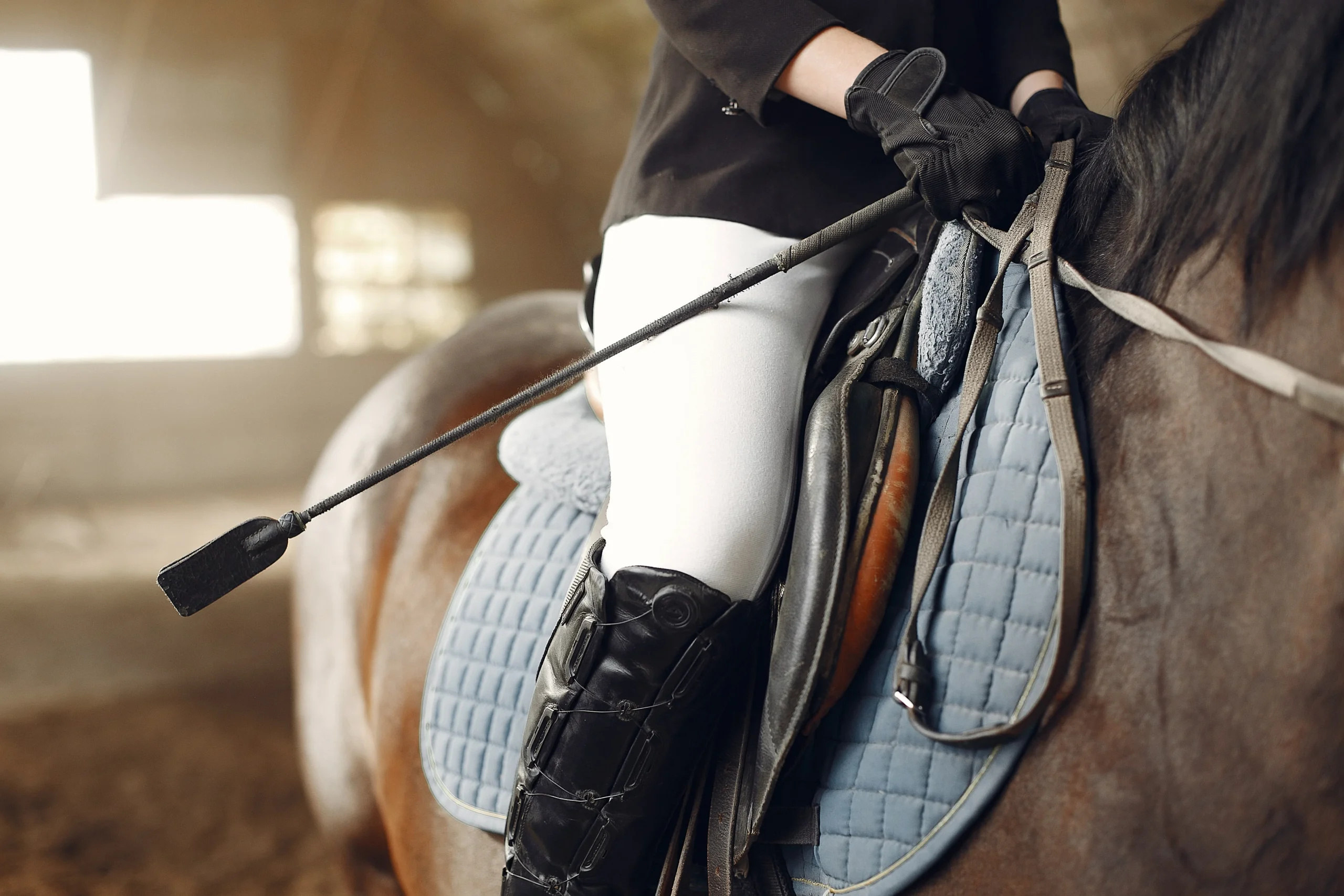
Animal thermal stress: the urgency of fine-tuning regulation
Mammals and birds have mechanisms of thermoregulation that are much more limited than those of humans. As soon as mercury exceeds certain critical thresholds, the physiological and health repercussions quickly ensue.
The THI index and equine sensitivity
In horses, muscular effort during work produces a massive amount of internal heat. In fact, in a closed stable or a poorly ventilated stable, the accumulation of calories combined with stagnant air prevents the dissipation of heat through sweating. The equines thus suffer from thermal stress as soon as the combined temperature-humidity index (Temperature-Humidity Index) crossed the 72 value.
Beyond this limit, the heart rate accelerates, dehydration threatens, and respiratory conditions worsen. The ammonia fumes from the litter, exacerbated by the heat, irritate the bronchial mucous membranes of competitive horses. Maintaining a flow of fresh, purified air free of suspended particles becomes an elementary veterinary requirement.
The repercussions in cattle, pig and poultry farming
In poultry or dairy farming buildings, thermal stress leads to a sharp drop in food consumption:
- Dairy cows reduce their rumination and experience a decrease in milk production that can exceed 20 to 30%.
- In pig breeding, breeding sows experience marked decreases in fertility.
- In poultry for meat production, heatstroke leads to sudden deaths from suffocation within a few hours.
The adiabatic method lowers the indoor temperature by 5 to 12 °C compared to the outside during heat waves. This keeps the herds within their thermal neutral zone without generating wall condensation.
Do you manage a horse riding center or a heat-sensitive livestock facility?
Identify the ventilation and air conditioning solution suitable for your volumes by speaking with our technicians.
From cooling to heating: the challenge of the annual large-scale cycle
While summer regulation relies on lowering temperatures through evaporation, the winter period raises the inverse question. How can one temper an animal building without creating the disturbances of conventional air-conditioning systems?
Some managers make the mistake of installing pulsated hot air generators powered by fuel oil or gas. These systems project heated air that rises immediately under the roofs and dries the air. It also blows away fungal spores and crushed straw.
In all the zones
For spaces where direct thermal input is essential in winter (such as grooming areas, veterinary care stalls or milking rooms), the use of Industrial far-infrared heating provides the ideal answer.
A principle aimed at comfort
By emitting long waves that directly warm the material (animals, soil, walls) without agitating the air, this technology keeps the litter dry. All this while protecting the horses’ airways. This principle prevents the concentration of airborne pathogens. At the same time, it complies with comfort requirements and the requirements of hygiene. regulation on heat at work for the groomers and riders.
Proven expertise for demanding environments
Designing climate systems for buildings that house animals requires a high level of technical requirement. Just like in heavy industrial sites. Feed dust, corrosive atmospheres rich in ammonia and high-pressure cleaning requirements quickly destroy standard market equipment.
It is precisely on this robustness that it excels ClimnTech.
The transposition of industrial and ATEX standards to livestock buildings
Drawing on its experience in high-security thermal engineering, the company designs equipment capable of operating in atmospheres saturated with combustible or chemical particles. The sophisticated knowledge acquired in the treatment of ATEX sectors and zones They have enabled ClimnTech to develop devices equipped with waterproof motors, corrosion-resistant casings, and tropicalized electronics.
Whether it involves deploying a adiabatic air conditioner in ATEX zone For a classified agricultural storage hangar or to install high-speed coolers for a prestigious stable, the materials used are durable enough to withstand the physical stresses of living things.
To discover the brand’s industrial origins, certifications and engineering commitments, scroll through the history of About ClimnTech.
Size your thermal installation with ClimnTech
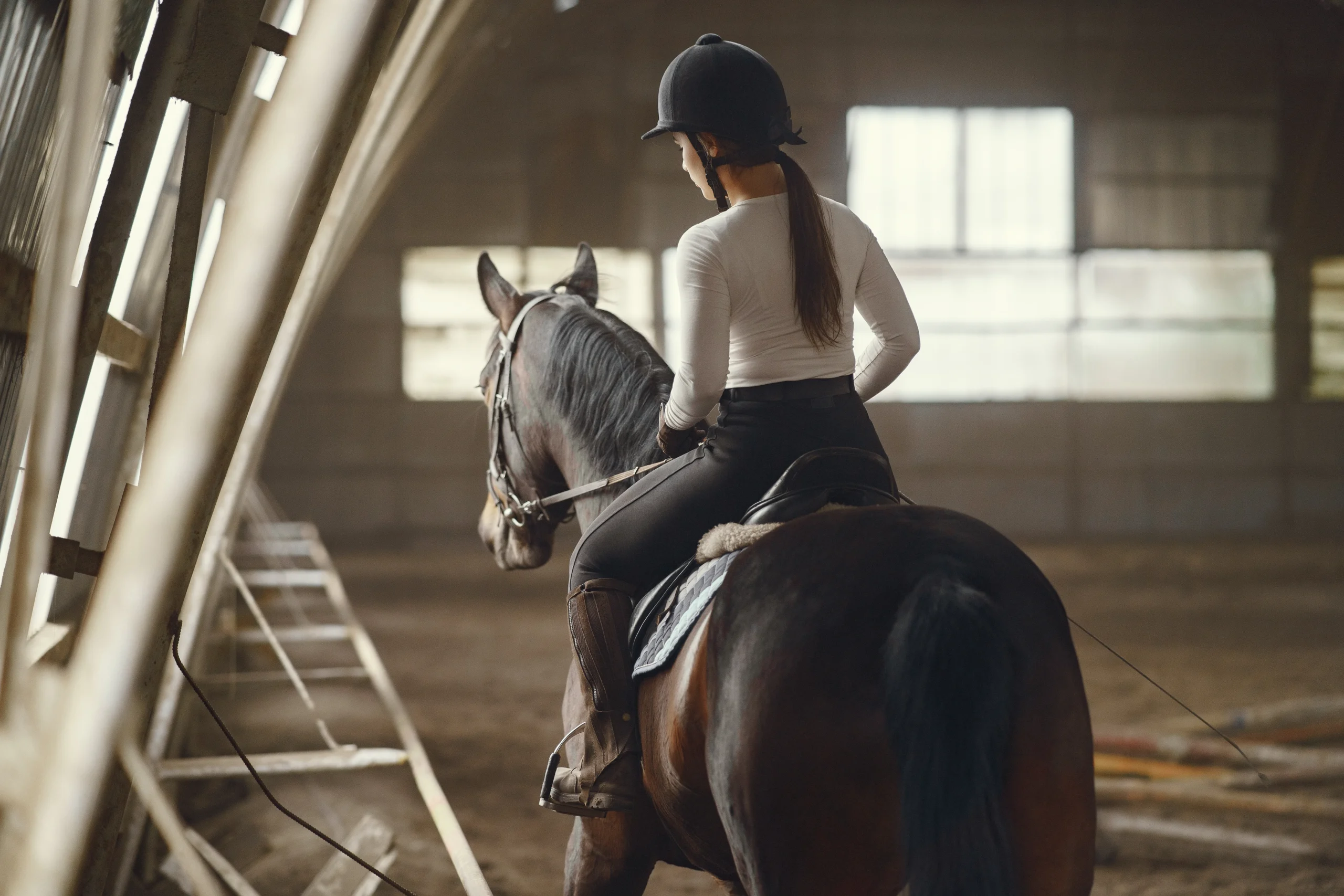
Adapting adiabatic thermodynamics to the morphology of a covered arena, an active stable, or an industrial poultry house cannot tolerate any under-aerodynamic dimensioning. An improperly regulated humidity level or insufficient airflow would nullify any health benefits for animals.
Support at every step
- Complete thermal and humidity diagnostic of your building (leakages, solar orientation, natural air flow);
- Precise calculation of the extraction and adiabatic insufflation flow rates to ensure an optimal moisture level;
- Integration of centralized management solutions to automate the summer/winter switch;
- Installation of certified equipment designed to withstand dust and organic corrosion;
- Regular technical follow-up and advice on the hygienic maintenance of evaporative media.
Let's discuss your project
Provide a healthy, efficient, and economical environment for your animals and your teams.
Contact the ClimnTech technical office to obtain a personalized study and a precise quote for your project.
Frequently Asked Questions
Frequently Asked Questions
Could adiabaticity create too much moisture in the stables?
No, provided that the system is designed according to the principle of blowing in fresh air with permanent extraction. Adiabatic cooling never works in closed-loop recirculation like a basic humidifier. The outdoor air, once cooled by the media, passes through the building, sweeping away odors and ammonia before being evacuated through high-flow extractors or extractors, keeping the relative humidity within a healthy range of 50 to 65%.
What is the difference between high-pressure humidification and adiabatic cooling by media?
The misting system injects microdroplets of pressurized water directly into the atmosphere, with the risk of wetting the soil, causing the litter to become damp and spreading aerosols. The aeration by the alveolar media system circulates the air through a wet matrix: only the water vaporized at the molecular level is carried into the airflow. The flow remains perfectly dry to the touch and the soil remains healthy.
What maintenance does an adiabatic equipment require in the face of the dust from a carousel?
The systems designed by ClimnTech incorporate washable or replaceable pre-filters to retain sand and straw particles suspended before contact with the media. Additionally, an automatic cycle of emptying and drying the water reservoir prevents any corrosion and any risk of bacterial proliferation or legionellosis.
 French
 English
