
As soon as flammable vapor or a cloud of combustible dust enters the equation, the slightest excess or the appearance of an electric arc transforms a thermal equipment into a potential trigger for disaster. Thus, maintaining an operational temperature for operators without compromising the safety of an ATEX zone requires abandoning conventional thermal methods in favor of advanced technologies.
For plant managers and HSE managers, the deployment of efficient industrial heating requires perfect control of interactions between air stratification, surface temperature classes, and energy targeting at the workstation.
The specific constraints of industrial heating in an explosive atmosphere
Maintaining an adequate thermal environment in an industrial building requires a rigorous balance between personal safety guidelines and material requirements.
The European and international regulatory framework
The installation of any industrial equipment in an area at risk of explosion is governed by European Directive 2014/34/EU (known as the Manufacturers Directive). But also by Directive 99/92/EC (the Users Directive).
These texts impose a precise zoning:
- Zones 0, 1 and 2 for risks related to gases, vapours and mist;
- Zones 20, 21 and 22 for the risks associated with dust and combustible powders.
Each piece of equipment must display clear normative markings. This certifies its mode of protection. Namely, an anti-flammable casing. Ex-boyfriend, increased security Ex e, internal overpressure Ex p.
Beyond the borders of the European Union, IECEx certification becomes the indispensable passport for operating an industrial machine in an explosive environment in full compliance
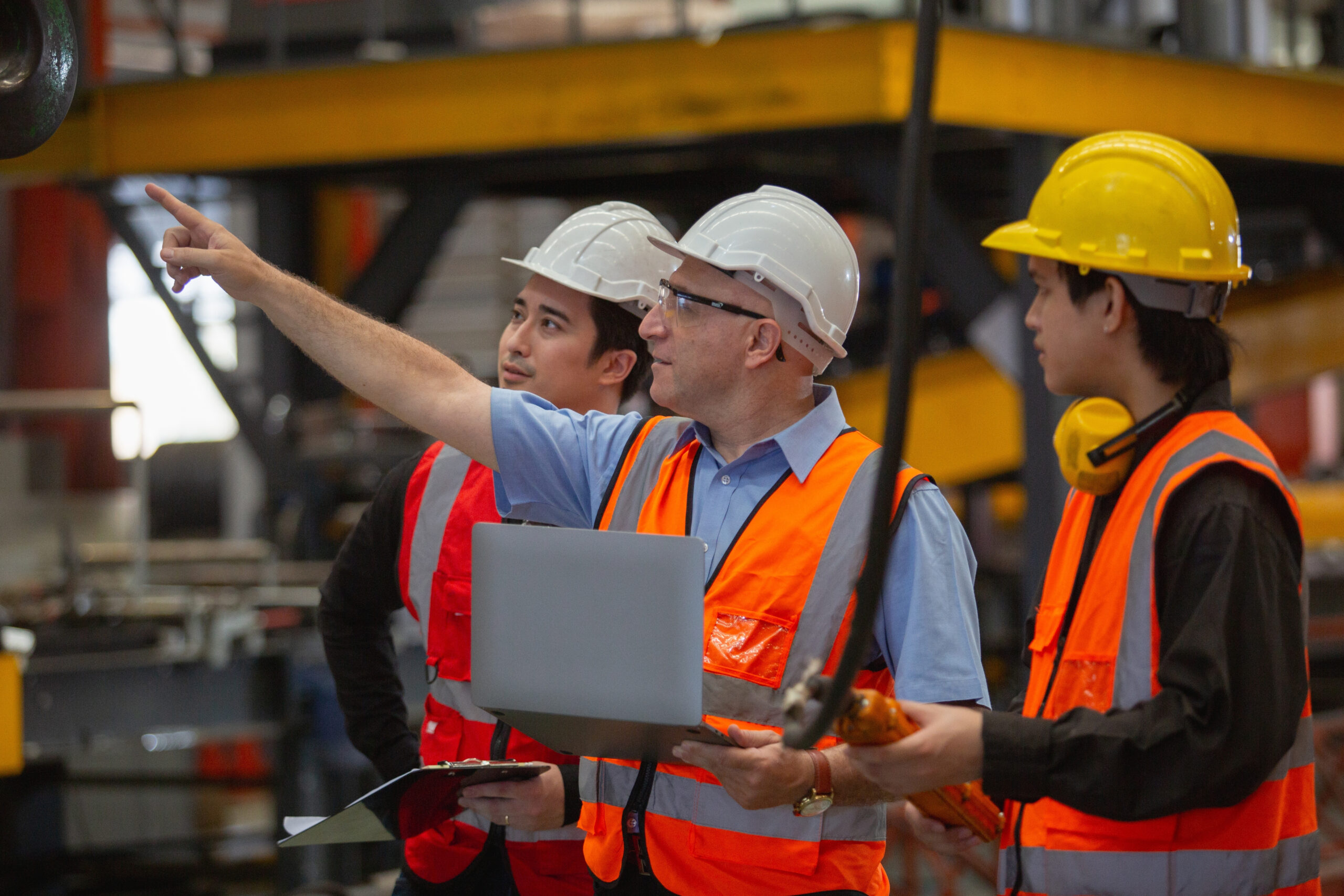
Therefore, to ensure absolute site security, rigorous audits and third-party evaluations are carried out with reference notified bodies.
This is in line with the compliance protocols developed in collaboration with specialists such as Centrexpert.
Critical management of surface temperatures
The direct thermal risk remains the self-ignition of volatile compounds present in the ambient air. Indeed, any heating equipment intended for sensitive sites must strictly comply with temperature classes. Thus, from T1 to T6, where T6 limits the external surface temperature to 85 °C, and from T4 to 135 °C.
The technical challenge is to emit useful heat energy. All of this while ensuring that no hot spot in the device exceeds the critical threshold for the ignition of the gas or dust present on the site.
Do you need to thermally comply with your workstations in high-risk areas?
Consult our experts to assess your technical constraints and to dimension your project to suit your needs.
Why traditional heating systems fail in industry
Most production sites have historically relied on boilers that feed air-to-air heat exchangers. Alternatively, ventilation ducts blow hot, pulsated air. While this process works in partitioned offices, it becomes less productive in large industrial halls.
The abyss of thermal stratification
The warm air rises naturally.
Thus, in a workshop or warehouse with a ceiling height of 8 to 14 meters, convection generates a severe thermal gradient.
Indeed, it is not uncommon to see temperatures of 25 °C under the metal roof. And only 13 °C at ground level. In other words, the company spends colossal sums to heat an empty air volume.
Worse still, the slightest movement of the crane or the repeated opening of the sectional doors creates an air gap.
This immediately expels the accumulated calories. It then forces the system to run at a constant overdrive.
The incompatibility of air flows with combustible dusts
Aerothermals and hot air cannons generate turbulent air flows. In textile mills, industrial carpentry or grain handling, this mixing suspends flammable microparticles. This phenomenon artificially increases the density of the dust cloud in the working atmosphere.
In this way, it transforms a marginal zone 22 into an area with increased risk. Moreover, the continuous air movement contributes to the drying out of the airways. This generates continuous acoustic discomfort for the operators.
Far infrared: the technological answer to constrained environments
In the face of convection failures, radiant heating brings about a major engineering breakthrough. Rather than treating air as a carrier of thermal transport, this technology transmits energy directly to solid bodies through secure electromagnetic waves.
The principle of thermal transfer by long waves
The Industrial far-infrared heating reproduces the natural effect of solar radiation. The emitting panels emit a long wave that passes through the air mass without heating it unnecessarily. When this wave encounters a dense body, the energy is absorbed and converted into instant gentle heat. This is the case for concrete floor, a machine tool, a storage rack or an operator.
The masses thus heated up in turn act as secondary thermal accumulators, restoring a homogeneous and stable temperate atmosphere. To understand the specifics of this wave-like physics applied to the workshops, our guide on the industrial far infrared details the spectral modulation adapted to each workshop.
Zone-specific and station-based heating
Remote infrared technology allows a workshop to be thermally segmented without erecting physical partitions. On a 1,000 m² packaging line where only three operators are active on a 40 m² cell, it is sufficient to orient the diffusers towards these specific positions. The staff immediately experiences a pleasant sensation of warmth. And this while the rest of the hall remains at a technical temperature outside of frost.
This approach actually eliminates the costs of overconsumption. Our analyses on how to Heat a logistics warehouse and generate savings This is evidenced by the fact that the observed reductions in energy consumption regularly exceed 40 to 60% compared to a conventional convection heater.
ClimnTech expertise: securing and equipping ATEX sites internationally
Integrating heating equipment in an explosive environment requires more than just reinforced metal cladding. This is the core of the company’s business. ClimnTech, designer and manufacturer specializing in high-security industrial thermal systems.
Equipment designed without sparks or critical surfaces
Each ATEX equipment developed by the company incorporates armored components, antistatic conductors, and isolated electronic controls to eliminate any risk of arc or local overheating. Whether static radiant panels or mobile units that can be oriented, the devices meet the strict requirements of gas and dust classified zones (zones 1, 2, 21, and 22). This technical reliability ensures a thermal comfort in the ATEX zone without ever compromising the integrity of the operating site.
To learn more about the company’s technical DNA, its design office and its ISO 9001 certified engineering approach, please browse our detailed presentation on About ClimnTech.
A presence in all sensitive industrial sectors
Thermal issues vary greatly from one environment to another. An aircraft maintenance hangar does not share the particle size of the dust in a candy factory, nor the volatility of the solvents in an automobile paint plant.
ClimnTech deploys its solutions in a wide range of demanding environments:
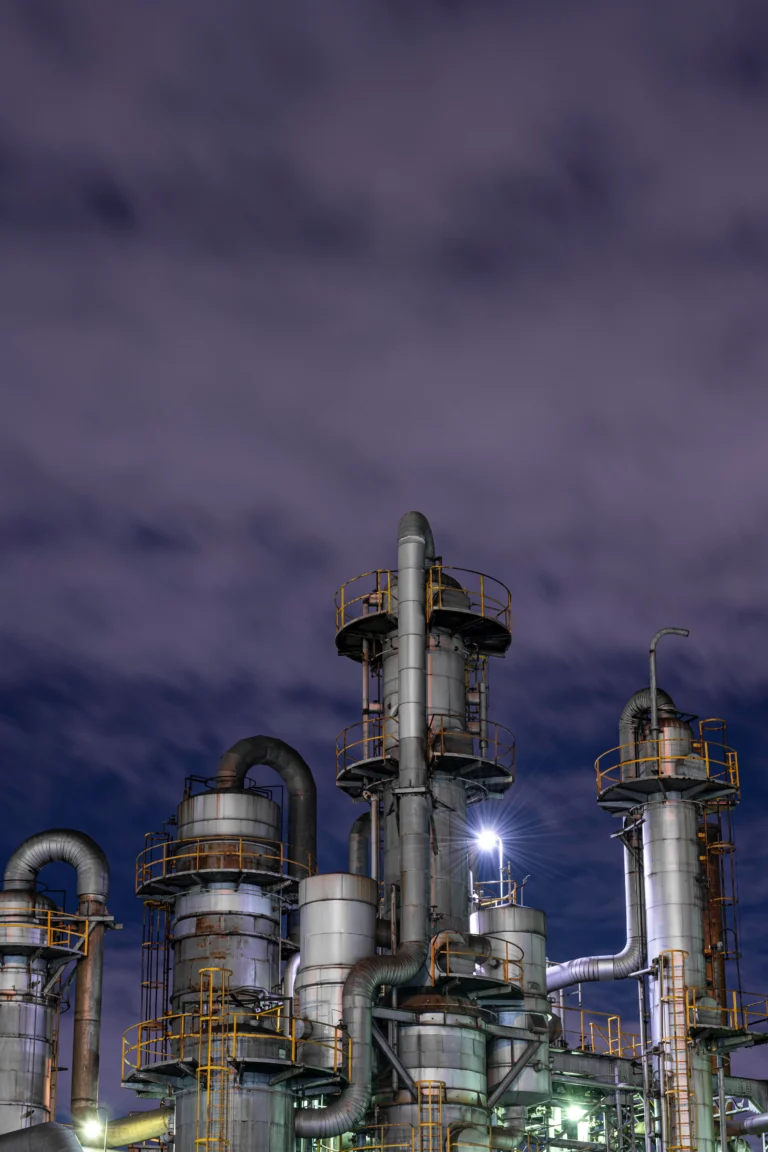
- Petrochemical industry and refineries;
- Plastic and chemical synthesis sectors;
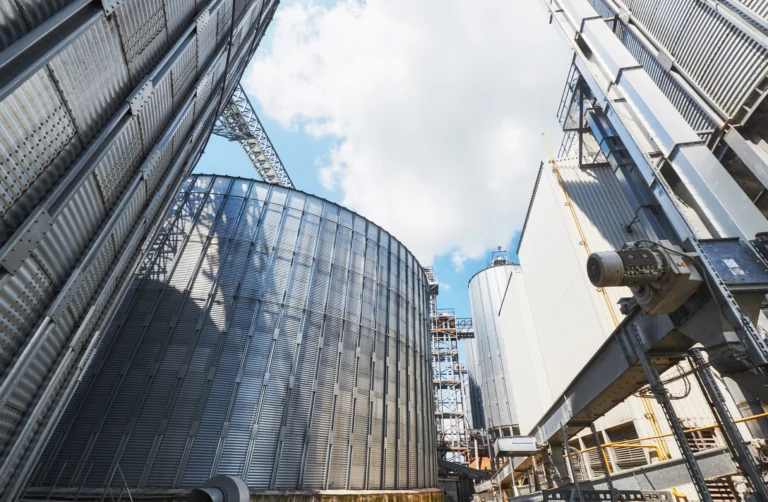
- Grain silos, flour mills and agro-food industry;
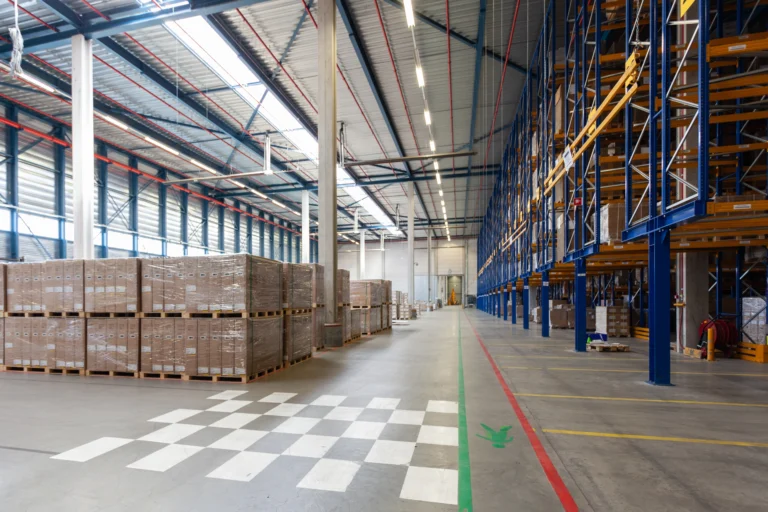
- Logistical hangars and loading docks open.
This flexibility of adaptation is evident throughout the entire ATEX sectors and zones covered by the ClimnTech engineering, both in France and on industrial installations exported to countries subject to the IECEx standards.
Respecting the legal framework for employee comfort in industry
The well-being of employees is not only a lever for productivity: it is a strict legal obligation governed by the Labour Code (articles R4223-13 and following).
The employer is required to ensure working conditions adapted to extreme temperatures, whether in the form of heat waves or winter cold waves.
A refrigerated operator sees their manual dexterity decrease by half, increasing the occurrence of work-related accidents and musculoskeletal disorders. Find the full set of prescribed thresholds in our dedicated dossier regulation on heat at work.
Providing a temperate and safe comfort zone through direct radiation is the most direct investment in preserving the health of teams while reducing winter absenteeism.
Contact the ClimnTech engineering office for your thermal project
The selection of a controlled atmosphere heating system does not tolerate any approximation of calculation. Underestimating the power output exposes your teams to cold, while non-compliant equipment directly triggers the criminal liability of the industrial operator.
The thermal engineers and experts in intrinsic safety from ClimnTech are involved from the initial on-site audit phase.
Frequently Asked Questions
Frequently Asked Questions
In what way is far-infrared radiation safer than conventional electrical resistance in a high-risk area?
Conventional bare resistance reaches very high contact temperatures (often exceeding 400 °C), which exceed the self-ignition points of common industrial solvents. The long-range infrared radiators designed for ATEX incorporate low-density load-bearing elements and specific heat sinks, maintaining a perfectly controlled surface temperature below the regulatory thresholds T4 or T3, without any spark emission or visible incandescent point.
How to dimension the heating power required for an open workshop?
The sizing is not calculated in cubic meters of air as in the tertiary sector, but in projected active surface area (m²) at the workstations. The height of the suspension, the residual speed of the local air currents, and the difference between the minimum outdoor temperature and the target perceived temperature (usually between 16 °C and 19 °C for manual activity) are taken into account.
Are the ClimnTech heating equipment compatible with international standards outside the European Union?
Yes. In addition to compliance with European ATEX directives, ClimnTech solutions are designed and certified under the international IECEx certification scheme. This dual marking ensures seamless integration in factories located in North America, the Middle East, or Asia.

 French
 English
